How do you know when it’s time to unplug? What do you do to make it happen?
Knowing when it’s time to unplug can depend on recognizing certain signs and patterns in behavior and mental state. Here are some key indicators:

- Increased Stress and Anxiety: If you feel overwhelmed, anxious, or stressed more often than usual, it might be time to take a break.
- Decreased Productivity: If your efficiency and productivity are noticeably declining despite putting in the same effort, it could indicate burnout.
- Physical Symptoms: Experiencing frequent headaches, eye strain, or fatigue can be a sign that you need to disconnect.
- Emotional Signs: Feeling irritable, restless, or having mood swings might suggest that you need to step back.
- Social Withdrawal: If you find yourself avoiding social interactions or feeling detached from others, it may be time for a digital detox.
- Sleep Issues: Trouble sleeping or poor sleep quality can be linked to excessive screen time, indicating the need for a break.
To make unplugging happen, consider the following steps:

- Set Boundaries: Define specific times of the day when you’ll be offline, such as during meals, before bed, or in the morning.
- Schedule Downtime: Plan regular breaks from technology, like a daily walk without your phone or a weekend getaway.
- Digital Detox: Designate a day or weekend to completely unplug from all devices.
- Engage in Offline Activities: Find hobbies or activities that don’t involve screens, like reading a book, exercising, or spending time in nature.
- Use Technology Wisely: Employ apps that monitor and limit your screen time, and turn off non-essential notifications.
- Mindfulness Practices: Incorporate practices like meditation or deep breathing exercises to help manage stress and stay grounded.
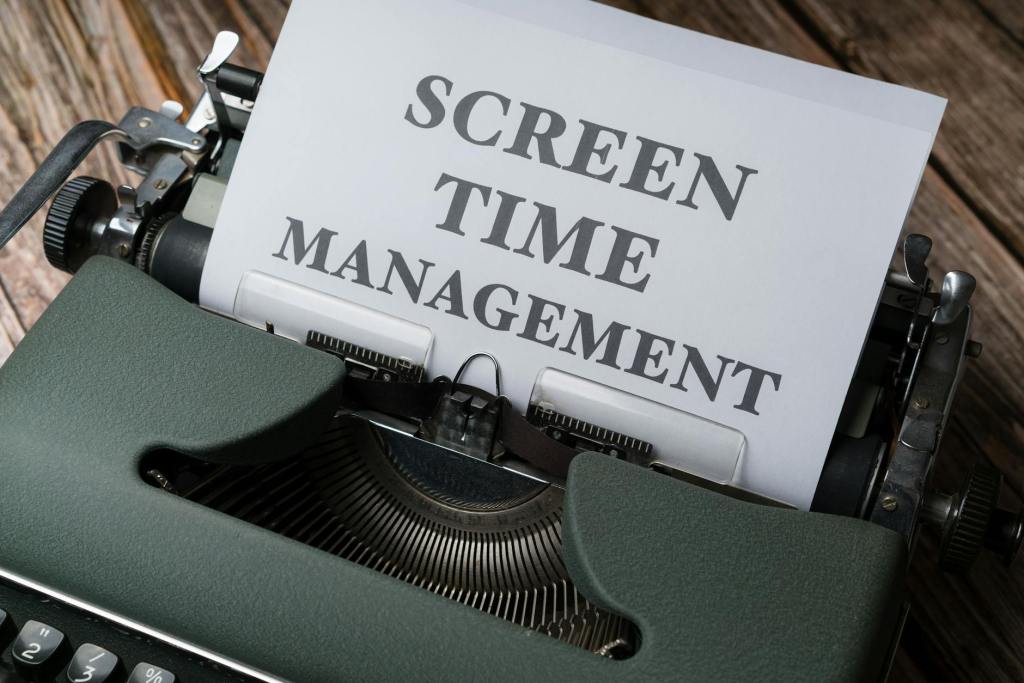
By recognizing the signs and implementing these strategies, I can ensure that I maintain a healthy balance between my digital and offline life. We should take a break and never do constantly on the way we disturbed and rushed.


 Aana's zoom _ins
Leave a comment